

How to Integrate Bill Collection Technology
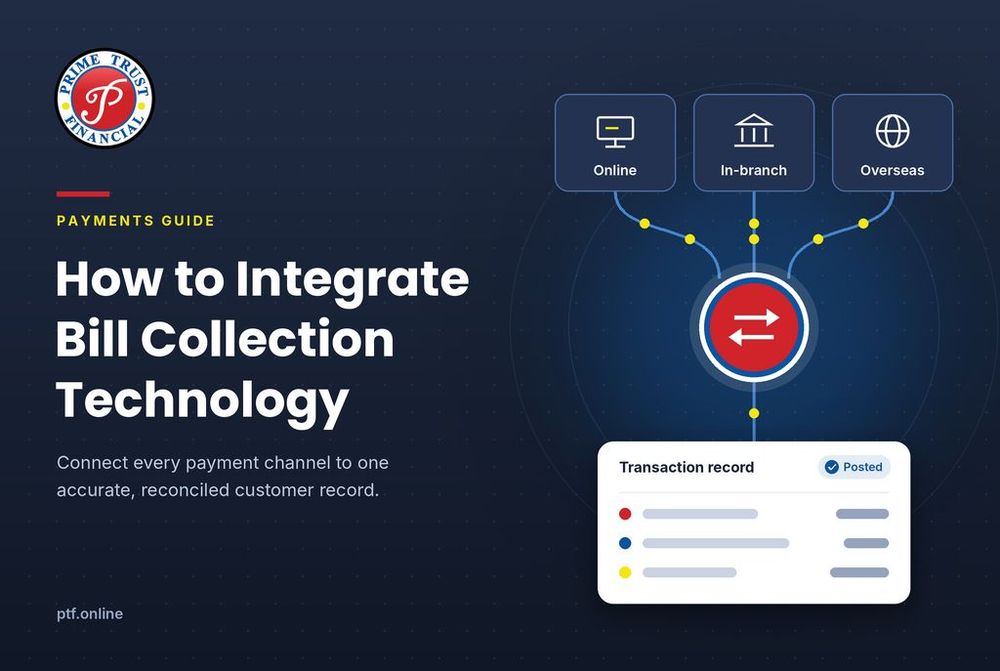
A customer who is trying to pay a bill does not want to wonder whether the payment went through, wait days for an update, or repeat the same information at multiple locations. When you integrate bill collection technology into your business, you create a faster, more dependable path from payment to confirmation - for customers, staff, and the billers you serve.
For businesses that collect payments for utilities, telecom providers, lenders, schools, membership programs, or other recurring services, the goal is practical: accept payments safely, post them accurately, and give customers clear proof that the transaction is complete. The right setup can support online payments, in-person branch payments, and customers abroad paying on behalf of family members.
Start With the Customer Payment Journey
Technology should solve the points where bill payment usually breaks down. Before choosing a platform or connecting systems, map the journey from the customer’s point of view. Consider how they locate a biller, enter an account number, see the amount due, choose a payment method, receive a receipt, and confirm that the biller has received the payment.
A strong collection process gives customers options without creating confusion. Some customers prefer to pay online using a debit or credit card. Others need the confidence of an in-person payment at a convenient location. Diaspora customers may need to settle a Jamaican utility or mobile bill from the United States, Canada, or the United Kingdom. Each path should lead to the same accurate customer record and payment status.
The experience matters most when the bill is urgent. A customer paying electricity, cable, internet, or mobile service close to a due date needs an immediate answer, not a promise that someone will investigate later. Build the process around visible confirmation, simple receipts, and clear instructions if an account number cannot be verified.
Choose What Your Collection Technology Must Do
Bill collection technology is more than a payment page. It is the connection between the customer payment, your collection operation, and the biller’s account system. The best solution depends on your transaction volume, the types of bills you process, where your customers pay, and how quickly billers require funds and reporting.
At a minimum, your system should capture payment details accurately, create a unique transaction record, issue a receipt, and produce reports that can be reconciled with bank deposits and biller records. It should also handle reversals, failed payments, duplicate payment concerns, and customer inquiries without requiring staff to search through separate spreadsheets or email threads.
For many organizations, real-time or near-real-time posting is a priority. This is especially valuable for bills tied to active service. Prime Trust Financial, for example, supports real-time payment reflection for JPS, Flow, legacy LIME accounts, and Digicel. That type of connection reduces uncertainty for customers and reduces follow-up work for service teams.
Real-time posting is not always necessary for every biller, and it may require more technical coordination than batch processing. A smaller organization may start with scheduled files or daily settlement reports if its billing system cannot accept live updates. The key is to be transparent about posting times and never present a delayed payment as immediate.
Connect the Right Systems
Link payment channels to one transaction record
Customers may pay through a website, a mobile-friendly checkout, a call center, or a physical counter. These channels should not operate as separate collection businesses. Use a shared transaction reference so staff can find the same payment whether it was made online or at a branch.
This reduces one of the most common service problems: a customer shows a receipt from one channel, while the support team can only see activity from another. A unified record also makes it easier to identify duplicate transactions and respond when a customer enters the wrong account number.
Connect to biller data carefully
Where possible, connect to the biller’s system to validate account numbers and retrieve amounts due. Validation before payment can prevent funds from being sent to the wrong account. If live balance lookup is unavailable, require customers to review the account number and biller name before they submit payment.
Not every biller will provide the same technical access. Some can support an application programming interface, while others may exchange secure files on a schedule. Do not force every partner into one model. Set operating rules for each connection, including cutoff times, settlement timing, exception handling, and who is responsible for correcting a posting error.
Build reconciliation into the process
Collection services earn trust through accurate records. Your technology should match every customer payment to a payment method, a biller, a settlement record, and a receipt number. Daily reconciliation is essential, particularly when you accept payments through both digital and physical locations.
Give operations teams a clear view of completed, pending, reversed, and failed transactions. If a payment fails, staff should know whether no funds were captured, a card authorization expired, an account could not be verified, or the biller connection was unavailable. Those are different issues, and customers deserve the correct answer the first time.
Protect Payments and Customer Information
A fast payment process is only useful when customers feel safe using it. Limit access to customer data by role, use secure payment processing, and keep audit logs of adjustments, reversals, and staff actions. Frontline employees should be able to assist customers without seeing more personal information than their job requires.
Card payments require additional care. Work with payment providers that support the security standards relevant to card processing, and avoid storing card details unless there is a clear operational reason and appropriate controls are in place. Tokenized payment credentials can help reduce exposure when customers make repeat payments.
Security also includes the human side of operations. Train staff to verify identity when discussing account details, recognize suspicious payment patterns, and escalate unusual transactions. A customer who reports an error needs a defined support route, not an informal promise that someone will call back.
Design for Branches, Not Just Browsers
Digital checkout is valuable, but physical locations remain important for customers who use cash, want personal support, or have limited access to online banking. If your business operates branches or agents, the counter workflow must be as organized as the website.
Staff should be able to search for a biller, enter or scan an account reference, confirm the payable amount where available, accept the payment, and print or send a receipt. The system should flag incomplete fields before money is accepted. It should also provide a clear process for outages, including how transactions are recorded and when they can be posted.
Avoid creating different rules at every location. Consistent training, standardized receipts, and centralized reporting protect both the customer and the business. They also make it easier to add new locations as demand grows.
Measure Service Quality After Launch
Integration is not finished when payments begin processing. Monitor the operational results. Look at payment completion rates, average time to post, the number of account-number corrections, duplicate-payment claims, failed transactions, reversal volume, and customer support contacts. These measures show whether your setup is making bill payment easier or simply moving the work elsewhere.
Review biller reports against your internal records on a regular schedule. If mismatches occur, identify whether the issue started at the customer entry stage, payment authorization, branch processing, file transfer, or biller posting. Fixing the source is better than repeatedly correcting individual transactions.
Customers also provide useful signals. If they regularly ask whether a payment is final, the receipt or confirmation message may not be clear enough. If they abandon online checkout, the payment form may be asking for too much or failing to explain what information is required.
Make Every Payment Feel Certain
The most effective bill collection service does not make customers think about the technology behind it. It gives them a simple choice of where and how to pay, a trustworthy confirmation, and confidence that their account will be updated as expected.
Start with the billers and channels that matter most to your customers, then expand from a controlled and well-reconciled foundation. When every payment can be traced, supported, and confirmed, your collection service becomes a practical reason for customers to return.